

I lost $2,400 on my first apartment deposit. The landlord kept the whole thing, saying I needed to replace the carpet and repair the walls. I had no move-in inspection, no photos, and I sent a one-paragraph email saying I disagreed. I never saw that money again.
On my second apartment, I got $1,940 back from a $2,160 deduction. The difference was not a lawyer, and it was not luck. It was a move-in inspection report, dated photos, and a short, factual dispute letter that referenced the lease and asked for documentation. Here is what I learned, and the template I now keep in my notes app.
A quick note before the details: this is not legal advice. Deposit laws vary by state and by city, and what worked in Austin might not work where you live. The general principles — keep evidence, put your dispute in writing, know what your lease says — apply everywhere, but check your local tenant rights laws for the specifics.
The most important thing you can do: the move-in inspection
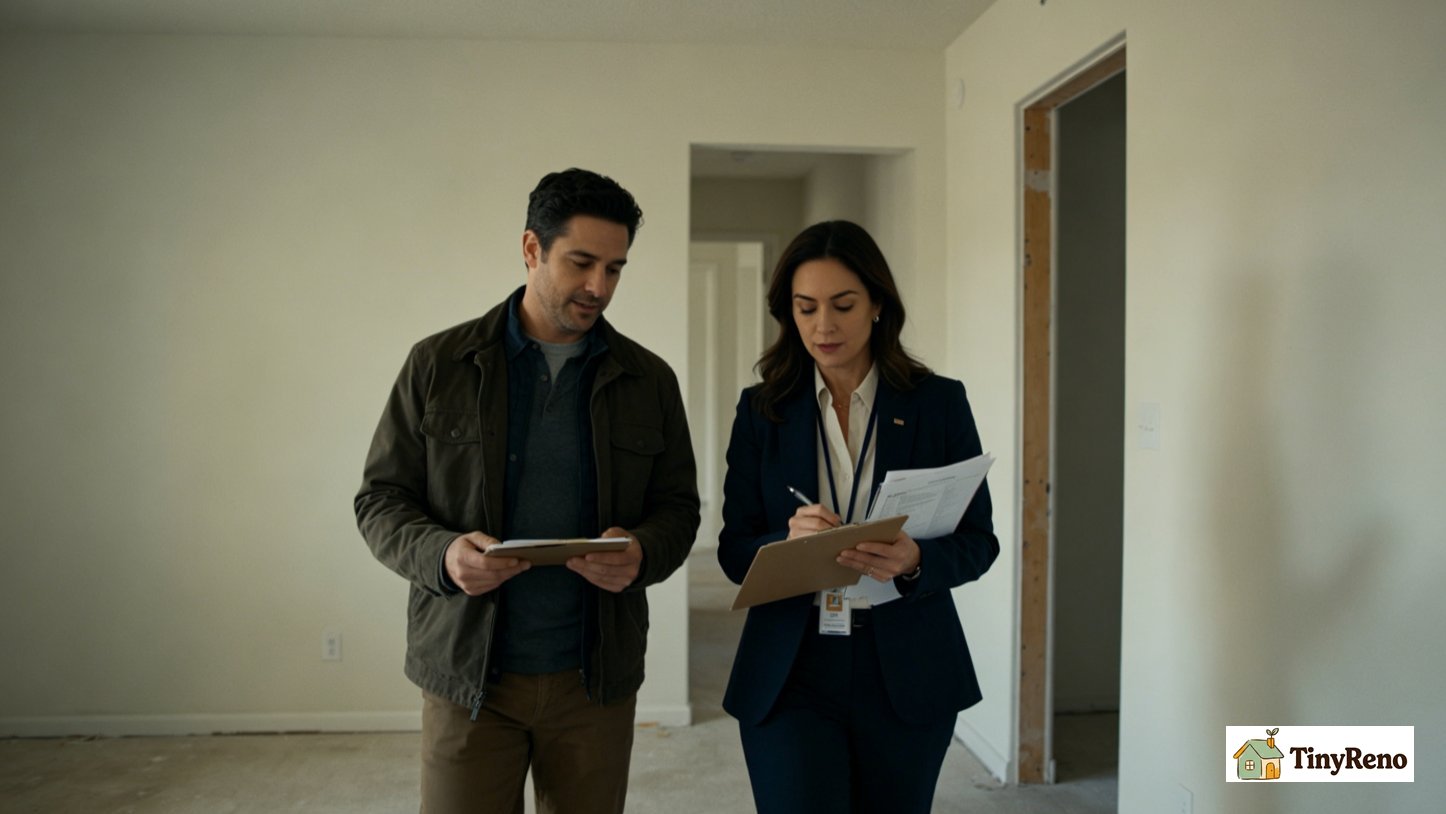
The reason I lost my first deposit was that I skipped the move-in inspection. When I moved into the first apartment, I walked through, saw that the place looked fine, and signed the lease. I did not note pre-existing damage, I did not take photos, and I had no paper trail. When I moved out two years later, the landlord said the nail holes were new and the carpet was worn, and I had no way to prove otherwise.
On my second apartment, I did it right. The leasing agent gave me a four-page inspection form, and we walked through every room together. We checked off every wall, every closet, every appliance. I noted every scratch, every stain, every nick. Then I took 93 photos on my phone, time-stamped, and uploaded them to a folder on Google Drive.
When I moved out, I retook the same photos from the same angles. When the landlord tried to charge me for nail holes, I showed them the move-in photos from two years earlier, and the holes were already there. When they tried to charge me for a carpet stain by the back door, I showed them the move-in photo, and the stain was already there. The deductions disappeared.
This is the step that most renters skip. You are excited to move in, you just want to get the keys and start unpacking. But the hour you spend on a thorough move-in inspection is the best insurance policy you have for getting your deposit back. Do it. Every time.
What to do when you get the itemized list
When you move out, your landlord is required (under most state laws) to send you either your full deposit back or an itemized list of deductions within a certain number of days. If they send you an itemized list, read it carefully. Some deductions are reasonable — if you put a hole in the wall that was not there before, you should pay to fix it. Some deductions are not reasonable — normal wear and tear, pre-existing damage, things that were already broken when you moved in.
If you disagree with the deductions, you need to respond in writing. A text message or a phone call is not enough. You need a paper trail. Here is how to write the letter:
Paragraph 1: State the facts. Your address, the date you moved out, the date you received the itemized list, the total deposit you paid, and the specific deductions you are disputing, with dollar amounts. Keep it short. "I am writing to dispute the following deductions from my security deposit for [address], which I vacated on [date]."
Paragraph 2: Request documentation. Ask for invoices, receipts, and contractor estimates for each deduction. The legal requirement varies: California requires receipts for deductions over $125, Texas requires receipts for expenditures, and other states require only an itemized list without attached receipts. Ask regardless. If the landlord cannot produce documentation, that weakens the deduction even where receipts are not strictly mandated—and in states that do require them, the failure to provide them can forfeit the right to withhold.
Paragraph 3: Set a deadline. Give them a specific number of days to respond in writing, and let them know that if you do not hear back, you will pursue the matter further. You do not need to threaten a lawsuit in your first letter. Just say that you expect a response within 30 days, and that you are open to resolving the matter amicably.
That is it. Three short paragraphs. No anger, no long rants, no emotional language. Just facts, documentation requests, and a deadline.
Send it the right way
How you send the letter matters. Send it by email for a digital record, and also send a printed copy by certified mail with a return receipt. Some states accept email as formal notice, but certified mail gives you the strongest proof of delivery if the dispute escalates. The certified mail receipt proves that the landlord received the letter, and it is something you can show a judge if it comes to that.
Keep a copy of the letter, the envelope, and the receipt. Put it in a folder labeled "deposit dispute." You never know when you might need it.
Attach your evidence. If you have move-in photos, move-out photos, the inspection form, and the lease clause about security deposits, attach them. The more documentation you provide, the more seriously the landlord will take your letter. A letter without attachments is a complaint. A letter with attachments is a claim.
What if the landlord does not respond?
If you send the letter and the landlord does not respond within the timeframe you set, you have options. The next step is usually small claims court. Small claims court limits vary widely: California allows $12,500 for individuals, Texas $20,000, New York $10,000, and Kentucky as low as $2,500. Filing fees typically run $30–$300 depending on the state and the claim amount. Most small claims courts are designed for self-representation; some states allow lawyers, but you do not need one.
Small claims court is designed for regular people to represent themselves. You bring your evidence: the lease, the move-in inspection, the photos, the letters you sent, the landlord's itemized list. You explain your side. The judge decides.
Most deposit disputes never make it to court. The landlord will usually respond once you send a formal letter, because they know that if it goes to court, they have to produce documentation, and they might lose. The letter itself is often enough to get them to reconsider the deductions.
In my case, the landlord responded within a week. They revised the itemized list, reduced the deductions, and sent me a check for $1,940 about four weeks after I sent the letter. I never had to go to court. The letter was enough.
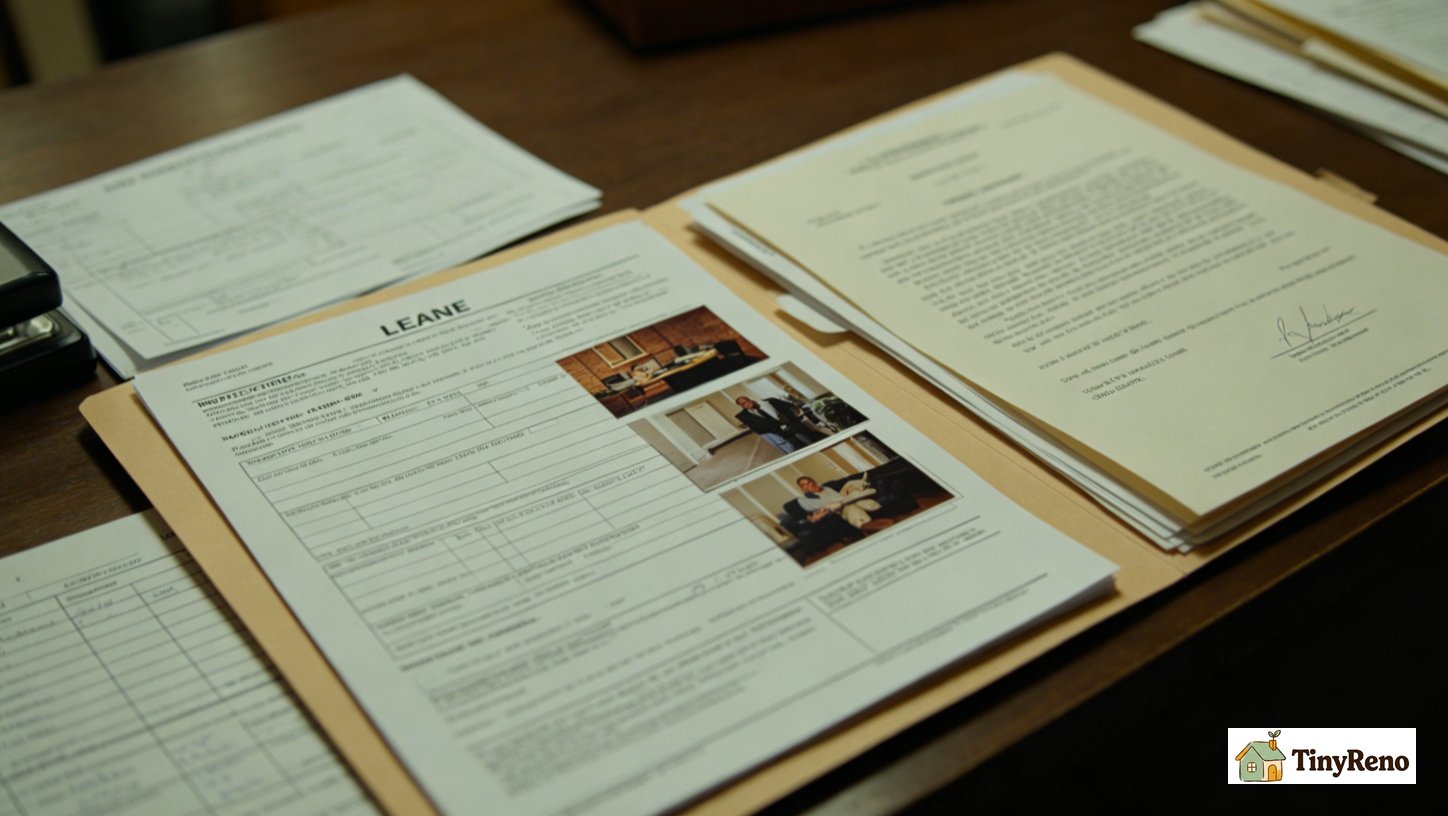
The difference between losing a deposit and recovering most of it is evidence, not luck and not a lawyer. A move-in inspection report, dated photos, and a written dispute letter give you a strong position. Without them, you are relying on the landlord’s goodwill, which is not a strategy.
Do the inspection. Take the photos. Keep the paperwork. When the itemized list arrives, read it, and if something is wrong, send a short, factual dispute letter with evidence attached, by email and certified mail. Give a clear response window. In my case, and in many deposit disputes, the letter was enough—but not always; if it is not, small claims court is the next step, and the same evidence file becomes your court file.
The letter template is still in my notes app, and the folder of emails and receipts is still in my drive. I lost $2,400 on the first apartment because I skipped the inspection. I recovered $1,940 on the second because I did not. The difference was about an hour of paperwork on move-in day and a three-paragraph letter two years later. That hour is the highest-return time a renter can spend.


Discussion (0)
Sign in to join the discussion